San Carlos General Contractor: Licensed General Contracting Services
How to Choose the Right General Contractor for Your Home Renovation
Selecting the ideal general contractor for a residential renovation is a crucial choice. It requires careful evaluation of the work's extent, deadlines, and costs. Homeowners must assess possible professionals based on their expertise, background, and ability to communicate. The procedure can seem overwhelming, but understanding the key elements can simplify it. What aspects should homeowners prioritize to secure a successful partnership?
How to Clearly Define Your Renovation Project Scope
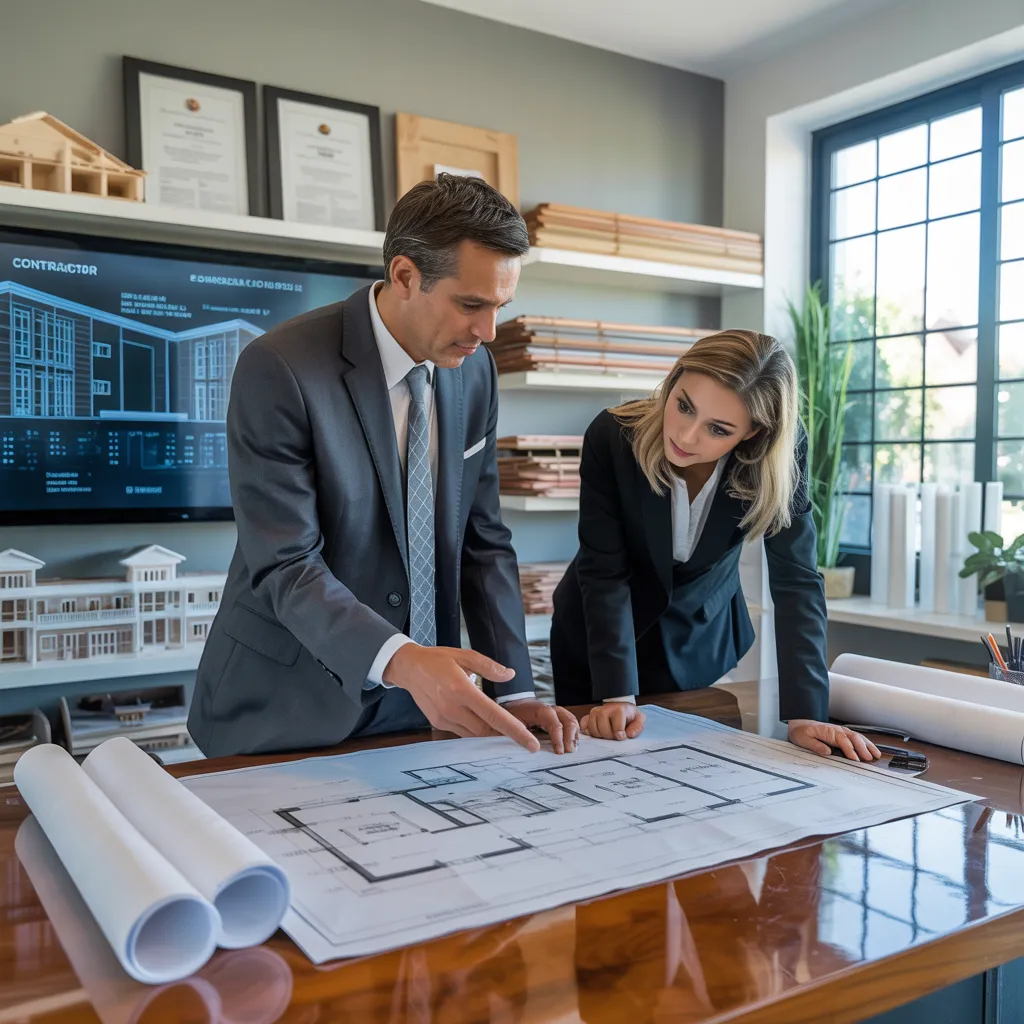
Precisely establishing the scope of a home renovation is vital for achieving success. This involves determining clear objectives, schedules, and budget constraints. Property owners should start by establishing their objectives, describing each aspect of the renovation, from foundational modifications to cosmetic upgrades. Prioritizing elements assists in identifying what is of greatest significance and can facilitate conversations with potential contractors.
Next, homeowners should consider any regulatory requirements, like inspections or permits, that might influence the overall project. Being aware of these requirements helps maintain compliance and reduces the risk of delays. Additionally, property owners should put together a comprehensive inventory of materials and finishes, as this may impact overall costs and timeframes.
In the end, open communication plays a vital role throughout the project. Drafting a written record that specifies the agreed-upon parameters assists in setting expectations and functions as a guide for all parties involved. By taking these steps, homeowners can build a reliable framework for a triumphant renovation.
Essential Qualifications for a Dependable General Contractor
When choosing a general contractor for home remodeling, specific qualifications are crucial for achieving a positive outcome. Key factors include appropriate licensing and comprehensive insurance, relevant experience with similar projects, and excellent communication and cooperative skills. Assessing these qualities can substantially affect the complete remodeling experience.
Licensing And Coverage Requirements
Even though various aspects influence choosing a general contractor, licensing and insurance stand out as vital qualifications that guarantee reliability and professionalism. A proper license confirms that the contractor has satisfied local and state requirements, ensuring compliance with safety and building codes. Such certification not only showcases proficiency but also safeguards homeowners against potential legal concerns.
Moreover, complete coverage, including worker's compensation and liability coverage, is vital. This protects residents against financial loss resulting from injuries or damages during the renovation project. Contractors lacking appropriate insurance can leave homeowners vulnerable to unexpected financial burdens. Consequently, checking both licensing and insurance coverage is vital in identifying a reliable general contractor, offering peace of mind throughout the renovation journey.
Background In Related Projects
Experience in comparable projects is crucial for determining a general contractor's qualifications for a home renovation. Builders with a proven track record in particular renovations, such as kitchens, bathrooms, or additions, display their ability to manage the complexities unique to these areas. This background equips them with valuable insights into design trends, materials, and likely obstacles that may arise during the project. Additionally, a contractor who has finished projects similar in scope and size can deliver realistic timelines and budget estimates. Clients should seek out examples of past work and seek references from previous clients. This confirms that the contractor not only holds the necessary skills but also suits the homeowner's expectations and standards for the renovation.
Communication And Cooperative Skills
Proficient communication and collaboration capabilities are key to finding a trustworthy general contractor for home renovation projects. A contractor's capacity to communicate thoughts precisely and respond to client needs cultivates a strong working relationship. This two-way communication guarantees that all parties are aligned on project goals, timelines, and budget constraints. Furthermore, excellent teamwork abilities allow the contractor to cooperate effectively with subcontractors, vendors, and other parties involved, which is critical for smooth project completion. By valuing open conversation and sustaining transparency, a contractor can tackle concerns efficiently, decreasing the probability of miscommunications or postponements. In the end, a contractor who stands out in these qualities is better positioned to complete a satisfying renovation that fulfills the homeowner's goals and desires.
Evaluating Contractor References: What to Look For
What steps can homeowners take to ensure they select the best general contractor? Evaluating contractor references is a vital step in this process. Homeowners are encouraged to request opinions from former clients concerning the contractor's trustworthiness, craftsmanship, and punctuality. Strong references commonly demonstrate a contractor's devotion to delivering quality results and maintaining professionalism.
When contacting references, homeowners should look into particular details of the work, such as staying within budget and maintaining open communication. It is also helpful to ask if the clients experienced any problems during the renovation and how the contractor handled those issues.
Homeowners should pay attention to recurring themes in the feedback. Recurring praise or criticism can highlight the strengths or weaknesses of a contractor. Ultimately, a thorough evaluation of references can provide valuable insights, enabling homeowners to reach a well-informed decision and ensuring their renovation project is in capable hands.
Important Questions to Ask When Interviewing Your Contractor
What essential inquiries should homeowners consider during a contractor interview? To begin with, it is essential to inquire about the contractor's experience and area of expertise. Homeowners ought to request information about prior projects that match the scope and design of their renovation. Moreover, checking the contractor's licensing and insurance coverage is crucial to confirm compliance with regional guidelines.
Another important question pertains to the timeline of the project. Property owners should establish projected start and finish dates and any possible setbacks. Discussing the payment structure is also fundamental; understanding the breakdown of costs and payment schedule helps prevent future misunderstandings.
Homeowners should inquire about the team involved, including any subcontractors hired, and their credentials. It is equally important to inquire how the contractor manages alterations or unforeseen challenges that may arise during the project. Lastly, discussing communication methods and frequency can help define clear guidelines for regular updates and status reports throughout the project.
Comparing Contractor Estimates: What You Need to Know
When assessing contractor estimates, homeowners commonly want to know about the primary factors that distinguish one bid from another. Cost is a major factor, but it should not be the sole determinant. Homeowners need to review the scope of work detailed in each estimate, ensuring that all necessary tasks are included. In addition, the quality of materials proposed can considerably influence the overall project outcome and longevity.
An additional key consideration is the timeline; recognizing how long each contractor projects the work will last can demonstrate their depth of knowledge and trustworthiness. Homeowners should also consider the contractor's reputation, looking for reviews or testimonials that provide insight into past performance. Additionally, communication approaches and attentiveness during the proposal stage can reflect how smoothly the contractor will engage across the entire project. By methodically weighing these considerations, homeowners can arrive at educated choices that support their renovation vision.
Why Clear Communication Ensures a Successful Renovation Partnership
Open communication serves as the foundation of any productive renovation partnership. Open discussion between homeowners and general contractors establishes expectations, timelines, and budgets, eliminating misunderstandings that could derail projects. When both parties communicate their visions and concerns, it cultivates mutual respect and cooperation.
Regular updates and open lines of communication enable prompt problem-solving. Homeowners should feel comfortable voicing questions or changes, while contractors are required to offer honest feedback and thorough progress updates. This communication not only improves project efficiency but also aids in addressing potential conflicts before they intensify.
Furthermore, transparent communication confirms that all parties involved agree on material selections and design decisions, minimizing the likelihood of expensive errors. By focusing on productive dialogue, homeowners and contractors alike can work through obstacles collaboratively, leading to a more seamless renovation process that achieves the intended goals. In the end, a thriving collaboration depends on the capacity to exchange ideas openly and efficiently across every stage.
Common Questions and Answers
How Long Will My Renovation Project Take to Complete?
The length of a renovation endeavor is influenced by the complexity, overall scope, and contractor performance. Typically, smaller projects may take weeks, while more extensive renovations may span several months, demanding meticulous planning and coordination to be completed on schedule.
What Should I Do if I'm Unhappy With the Work?
Should dissatisfaction occur, he should raise concerns with the contractor in a straightforward manner, offering concrete examples. Recording problems and pursuing resolution through dialogue or mediation can result in improvements or modifications, encouraging a positive resolution for everyone concerned.
Are There Any Concealed Charges I Need to Be Aware Of?
Hidden costs can begin here arise from unforeseen repairs, fluctuating material prices, permitting fees, or alterations to the project scope. Homeowners should address potential additional costs with their contractor ahead of time to prevent unexpected financial burdens.
How Can I Handle Permits and Inspections?
To navigate permits and inspections, it is important to review local building codes and regulations, acquire all essential permits ahead of starting the project, and arrange inspections at the right phases of the project. Effective communication with contractors helps secure regulatory compliance and steady progress throughout the renovation process.
Is It Possible to Remain in My Home Throughout the Renovation?
In many cases, homeowners are able to continue living in their homes during renovations, however this largely depends on the extent of the project. Important aspects to consider include noise levels, dust accumulation, and overall safety. Discussing the details with your contractor will assist in identifying the most suitable plan for your specific circumstances.